
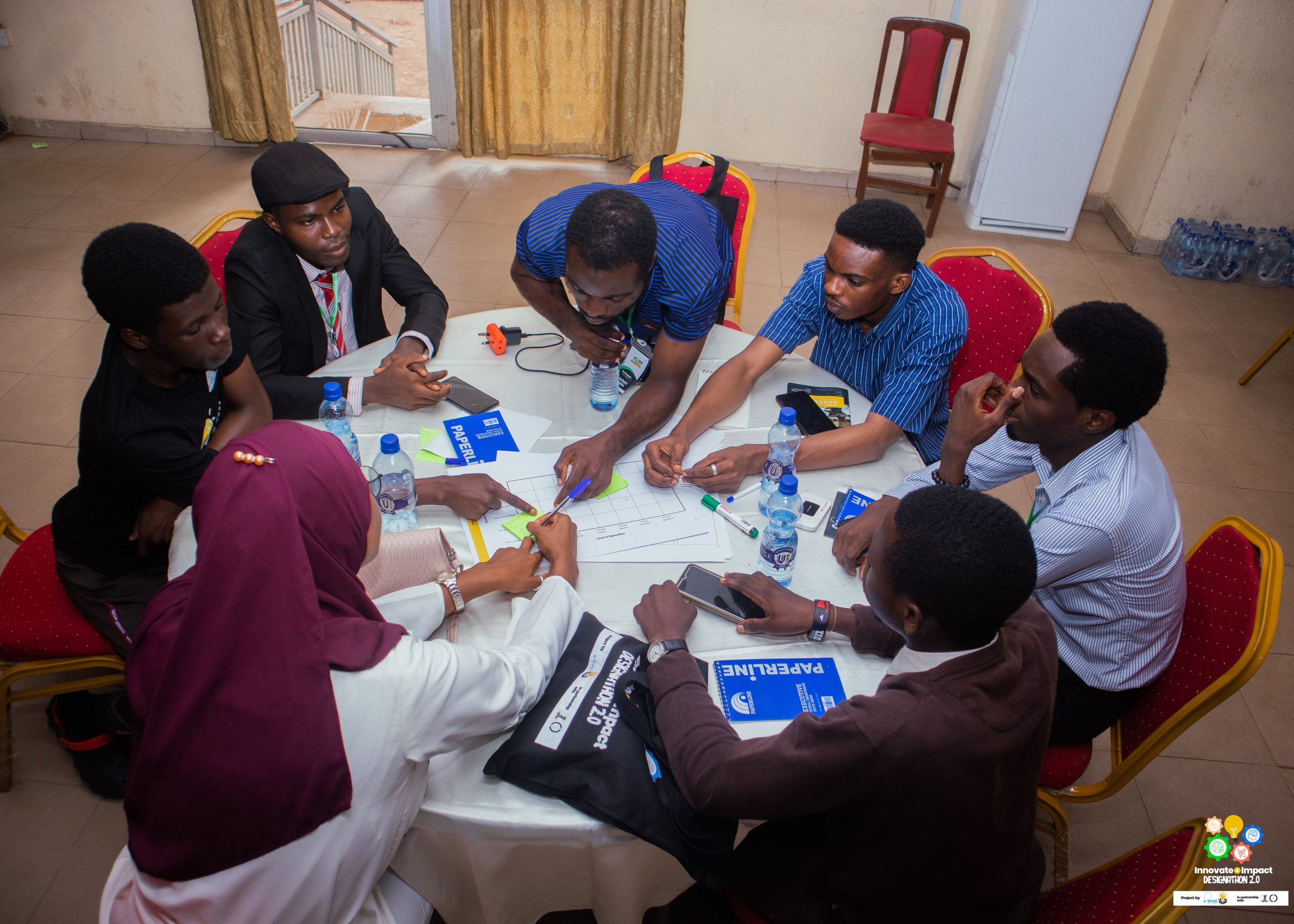
In a world where social, health, and environmental challenges can feel overwhelming, young Nigerians are proving that innovation, collaboration, and empathy can drive real change. This belief shaped Designathon 2.0, a three-day youth co-creation program hosted by The Innovation and Design Thinking Academy (TIDA) in partnership with Our Voice As Light (OVAL).
Held in Ibadan, the Designathon convened 20 youth advocates from across Nigeria to co-design practical, youth-led advocacy solutions addressing four critical focus areas under SDG 3 (Good Health and Well-Being):
- Gender-Based Violence (GBV)
- Mental Health
- Sexual & Reproductive Health
- Climate Health
This was not just another training. It was a launchpad for action.
At TIDA, we believe that young people should not only be consulted, they should be trusted as co-creators of solutions. Designathon 2.0 was delivered under our Innovate for Impact (I4I) initiative, which equips young changemakers with design thinking tools, advocacy skills, and mentorship to transform lived experiences into scalable, community-driven interventions.
Through hands-on design sessions, stakeholder mapping, and implementation planning, participants moved beyond ideas to feasible action plans grounded in real community needs.
We cannot take all the glory, we must mention our incredible partners that helped make Designathon 2.0 possible through, Our Voice As Light (OVAL), whose commitment to youth advocacy and community engagement strengthened the program’s impact.
OVAL played a key role in supporting youth mobilization and participation, providing community-level insights that informed problem definition and strengthening advocacy approaches with lived-experience perspectives. This partnership ensured that the solutions developed were locally relevant, inclusive, and implementable beyond the Designathon space.
The Four Focus Areas & Team Achievements
1. Gender-Based Violence (GBV) – Team VOICE
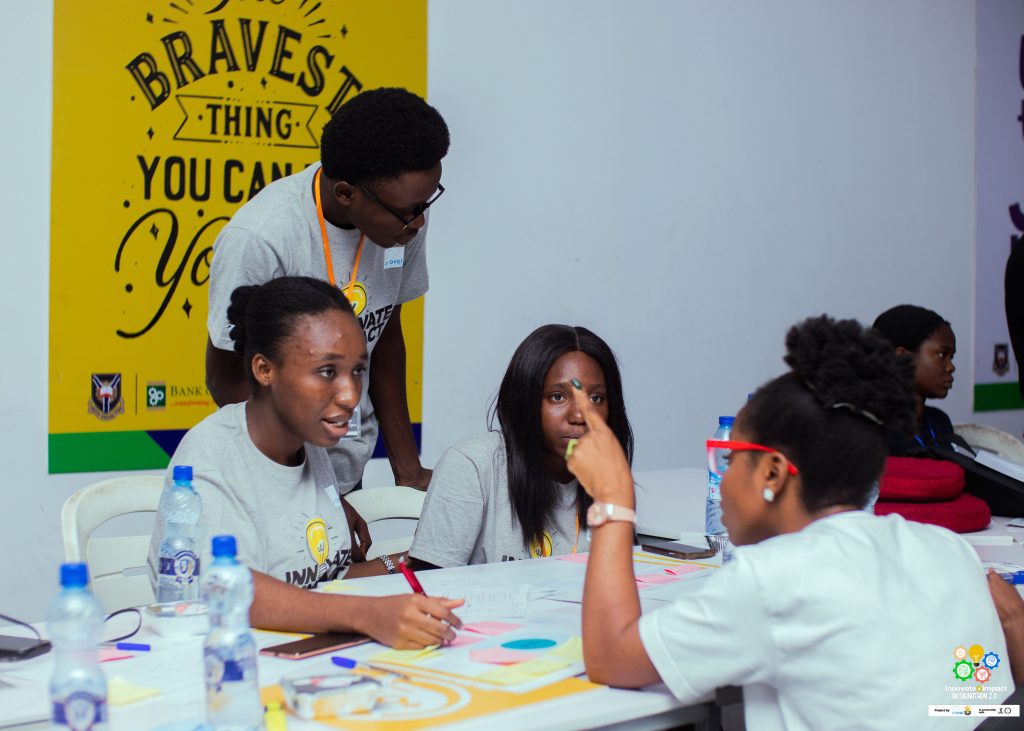
Many adolescents in Ibadan are unaware that certain sexual relationships, even when perceived as “consensual,” can constitute sexual violence. In response, Team VOICE implemented a multi-level prevention and awareness strategy that included establishing GBV prevention clubs in secondary schools, sensitizing parents and teachers during PTA meetings, and running sustained social media advocacy campaigns. Through these interventions, the team reached over 500 students across two public secondary schools, conducted perception surveys to identify key knowledge gaps, and launched a 16 Days of Activism digital campaign that increased youth awareness around consent, reporting pathways, and survivor support.
2. Mental Health – Campus Cares
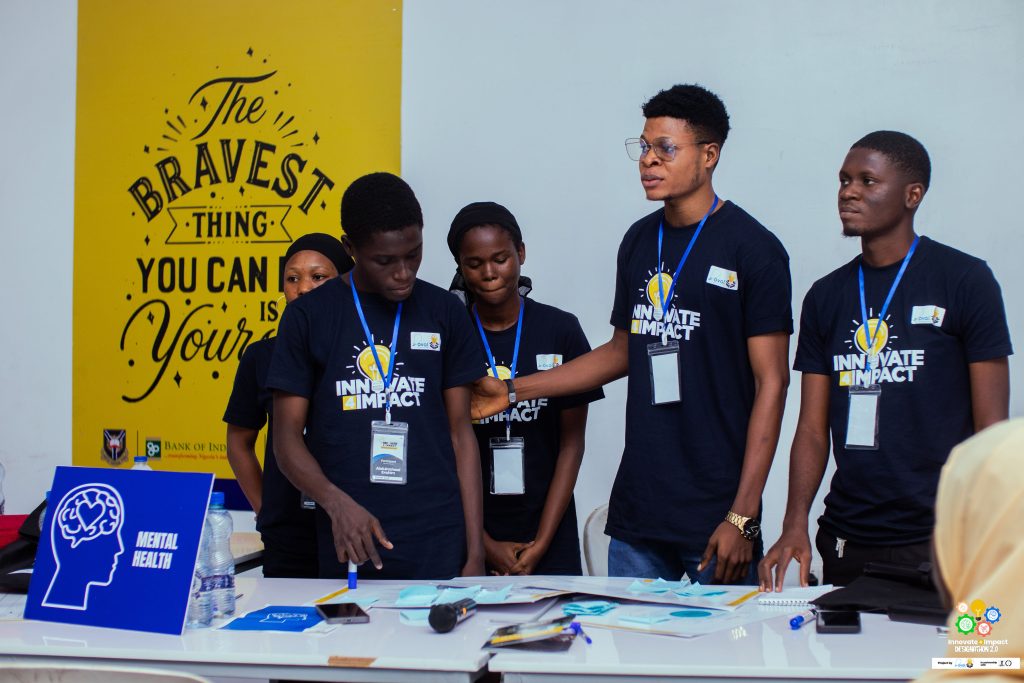
University students are increasingly experiencing stress, anxiety, and depression due to academic pressure, yet stigma and institutional barriers often prevent them from seeking help. Campus Cares addressed this gap by organizing mental health workshops in collaboration with Students’ Union bodies, leveraging social media to normalize conversations around mental well-being, and advocating for more student-friendly academic calendars. As a result, the team delivered stress-management workshops that included free counseling support, consistently produced mental health awareness content that reached students online, and conducted research to identify major academic stressors, providing evidence to inform future engagement with university stakeholders.
3. Sexual & Reproductive Health (SRH) – ReproGen
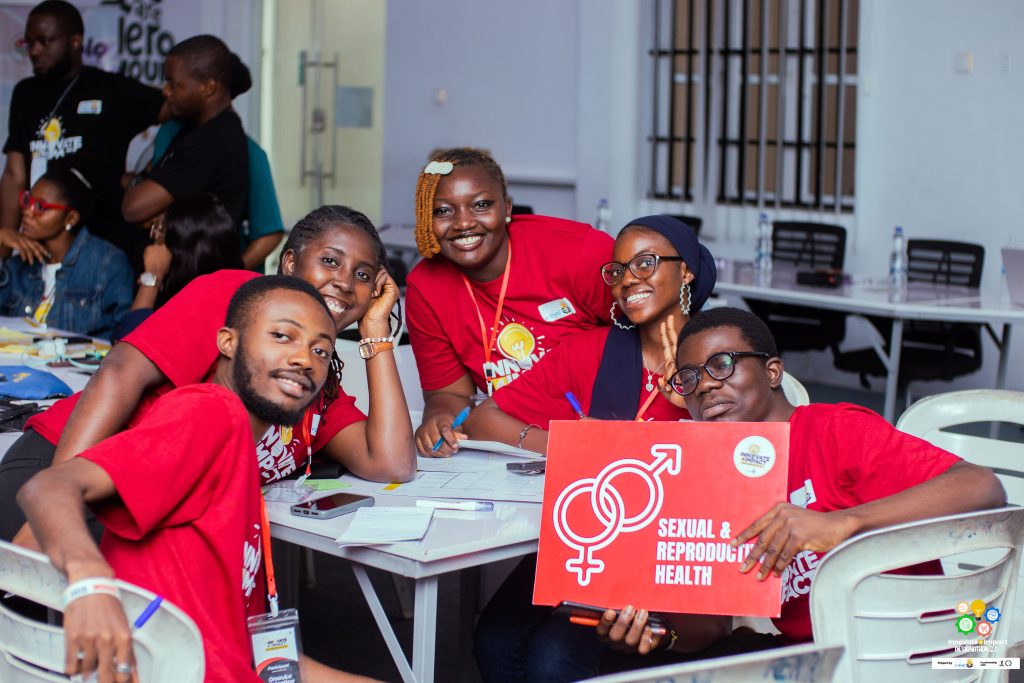
Misinformation and deeply rooted cultural beliefs continue to discourage many young people from accessing contraception and reliable sexual and reproductive health information. ReproGen responded by creating a trusted, youth-friendly platform for contraception education, engaging students through WhatsApp communities and social media, and collaborating with SRH professionals and partner NGOs. Through these efforts, the initiative reached over 700 students via the ReproGen UI Community, produced expert-led educational content that addressed common misconceptions, and conducted surveys that informed more targeted and effective SRH messaging.
4. Climate Health – Generation Green
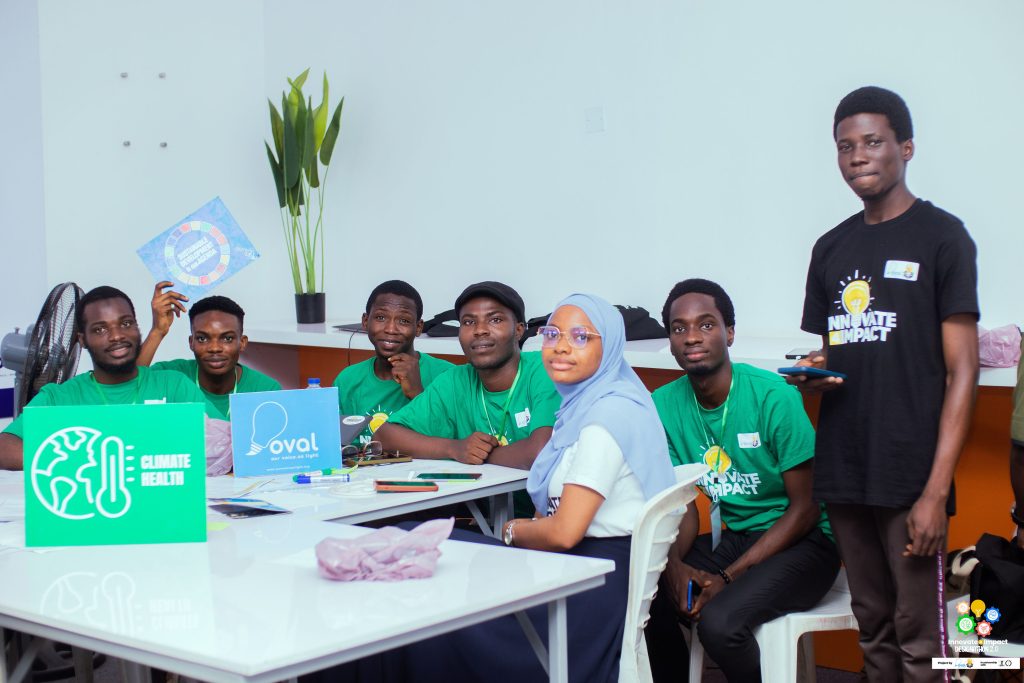
Poor waste management practices in Bodija Market pose significant environmental and public health risks to surrounding communities. Generation Green tackled this challenge by launching the Green Market Initiative, which combined community sensitization with cleanup drives, advocacy for waste segregation through strategically placed bins, and partnerships with other youth-led organizations to strengthen climate action. The team engaged more than 10 student organizations in climate health advocacy, hosted a climate change movie screening at the University of Ibadan to spark dialogue and awareness, and conducted environmental research to guide evidence-based interventions.
Designathon 2.0 did not end after three days. From October 2024 to January 2025, TIDA supported all teams through expert-led mentorship sessions seed funding to kick-start implementation and monthly capacity-building workshops on social media advocacy, fundraising, and storytelling.
As a result, ideas moved off paper and into communities, generating measurable early-stage impact. Campus Cares team lead was the only delegate to Kazan Global Youth Summit, Russia and was invited by the African Union to speak at the Mental Health Barazza session during the Shape Africa Youth Summit at the African Union Headquarters, Addis Ababa.
Designathon 2.0 demonstrates that design thinking is not theoretical, it works in real-world advocacy. It also highlights how strategic investment in youth capacity can produce scalable, community-owned solutions.
For partners and funders, this presents an opportunity to support youth-led health and climate initiatives, co-create scalable advocacy models and invest in long-term systems change driven by young people.
Explore detailed insights, strategies, and lessons learned in the Designathon 2.0 Impact Report.
Partner With the Next Wave of Changemakers. Designathon 3.0 is underway!
Whether your focus is health, climate, education, or social justice, TIDA’s programs equip young people with the skills to turn ideas into sustainable impact!
Written by: Nezianya Onyinye Jacinta
